
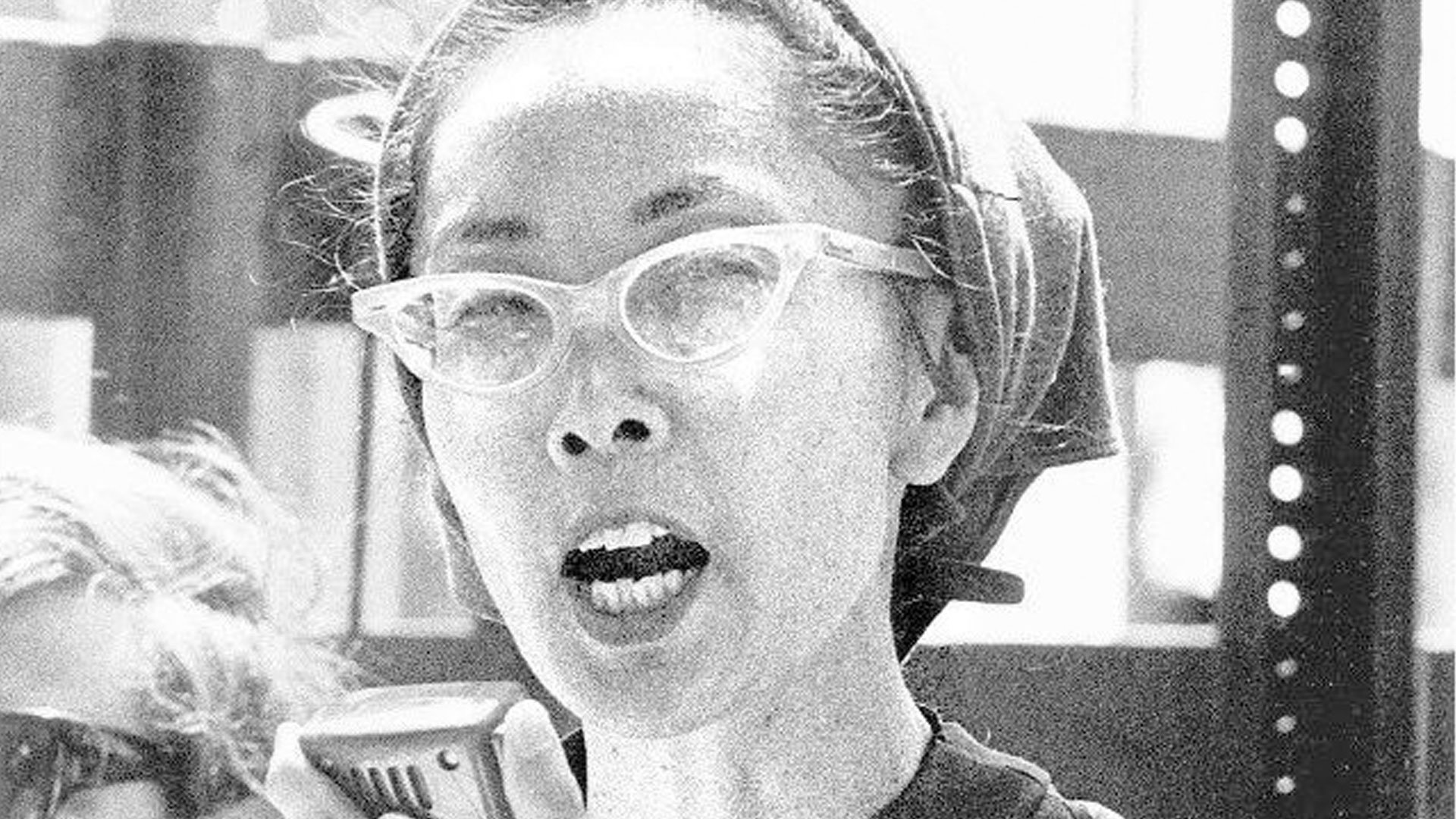
who is yuri Kochiyama?
Yuri Kochiyama was a second-generation Japanese American citizen, wife, mother and dedicated activist for human rights and social justice. Her personal experiences of incarceration and displacement during WWII, education under Malcolm X, membership in the Organization of Afro American Unity (OAAU) and participation in the Harlem Freedom Schools and many of the social justice movements and struggles that emerged in the second half of the 20th century would lay the path for her lifelong commitment to studying history, building cross movement, cross racial solidarity and supporting struggles for liberation and human rights in the U.S. and internationally.
Over the course of more than 50 years of building community, organizing, marching, speaking, writing, archiving, educating, and hosting guests and gatherings in her Harlem home 365 days a year, Yuri continued to self-educate, “build bridges” and promote radical love and solidarity in defense of human dignity and self-determination for all oppressed people until the end of her life in 2014.


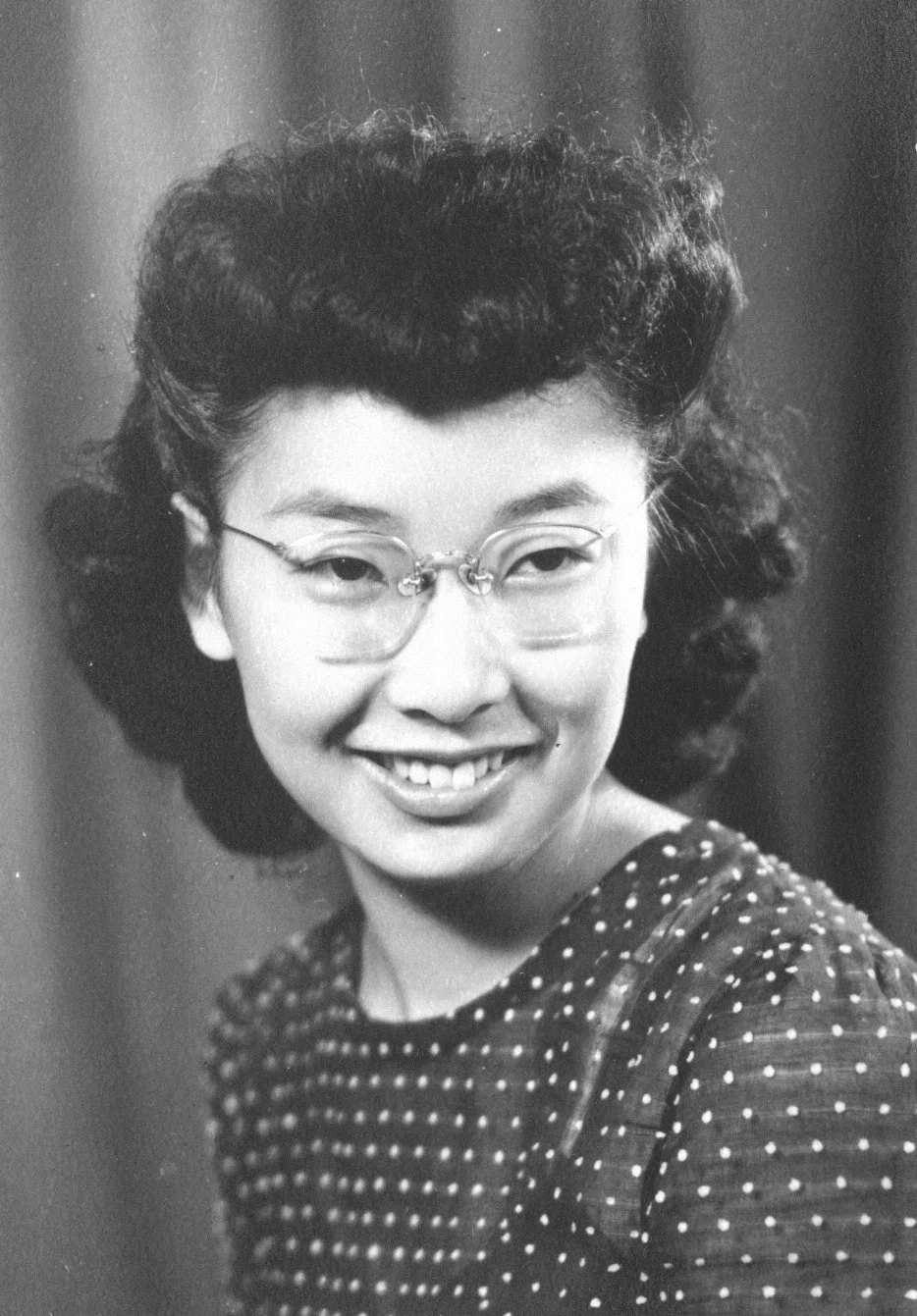
Yuri’s Creed, “22”
What type of person I was, am, or become, or whatever others think of me, I hope to live by this one creed, that which not I alone, but all others I have ever come in contact with, formulated for me. I say “others” because I am only a part of all I have met.
The creed is this:
To live a life without losing faith in God, my fellow men, and my country; to never sever the ties between any institution or organization that I have been a small part; to never break one link of friendship, regardless of the time or distance that separates me from that friend, even if that friendship is only a memory stored away in my heart and mind.
To never humiliate or look down on any person, group, creed, religion, nationality, race, employment, or station in life, but rather to respect.
To always keep in mind, that any opportunities, achievement, or happiness I have had, I owe to someone else; to be grateful for whatever has come my way through the aid of another, to repay every kindness, but should such a circumstance not arise, to pass it on to someone else.
To love everyone; to never know the meaning of hate, or have one enemy. (An enemy, to me, is only created in one’s mind). Should another dislike me or hate me because of some of my weaknesses, my actions, or what I have said, or how I have felt, or through prejudice, I will accept it without resentment, but all the while I will do all in my personality to better my ways and make myself acceptable.
To stay on the same “side of the track” as whoever I am with, but still live within the limits of my own ideals. Regardless of whether my actions seem wrong in the eyes of society, I will do that which I am doing as long as I am not infringing on the happiness of another, hurting another, and as long as I can look at myself without feeling ashamed.
To never harbor a feeling that someone has been unfair to me, but rather to feel in such a case, that I deserved it; to take every disappointment, disillusion, sorrow, and grief as a part of life; to never expect another to be indebted to help me, but should I be able to help anyone, to be grateful that I could be of use.
To give the advantage, but never to ask for it; to be strict with myself, but not with others; to be humble enough to stoop to any degree as long as it is in service for another.
This creed, that people and experience have made for me, I will sincerely try to keep, for if I fail even one portion of it, and although it will be unknown to them, I will be failing not only myself, but those who are the living part of this creed.
And this creed, I call “twenty-two.” It is my philosophy of life.
Dear Heavenly Father — Help me live it.
Mary Nakahara, 1939 (age 18)